

Deep dive into German corporate law for GmbH and UG. Understand formation, liability, and operational insights from real-world expertise.
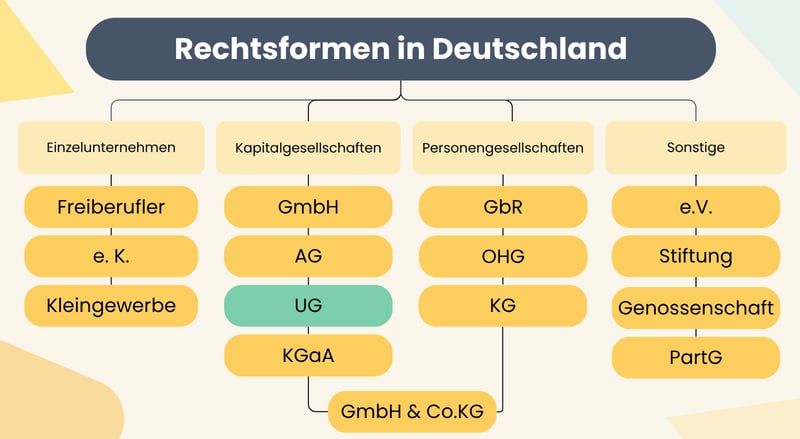
German corporate law governs the structure and operations of companies within the Federal Republic. Among its most prominent forms are the GmbH (Gesellschaft mit beschränkter Haftung) and the UG (Unternehmergesellschaft, haftungsbeschränkt). My practical engagement with these entities highlights their critical roles in the German economy. Understanding the specific regulations within Gesellschaftsrecht GmbH UG is fundamental for both domestic and international businesses. This article shares insights from real-world application, extending beyond mere statutory explanations.
Overview
- German company law distinguishes between the GmbH and UG entities.
- The UG offers a lower capital entry barrier, making it popular for startups.
- GmbHs require a higher minimum share capital, signaling greater stability.
- Liability for both is limited to the company’s assets, protecting personal assets.
- Careful drafting of shareholder agreements is essential for governance.
- Conversion from UG to GmbH is a common growth strategy.
- Regulatory compliance and ongoing administrative duties are significant.
- Comparing German structures to those in the US highlights unique local requirements.
- Future trends include digitalization of company formation processes.
Practical Applications of Gesellschaftsrecht GmbH UG
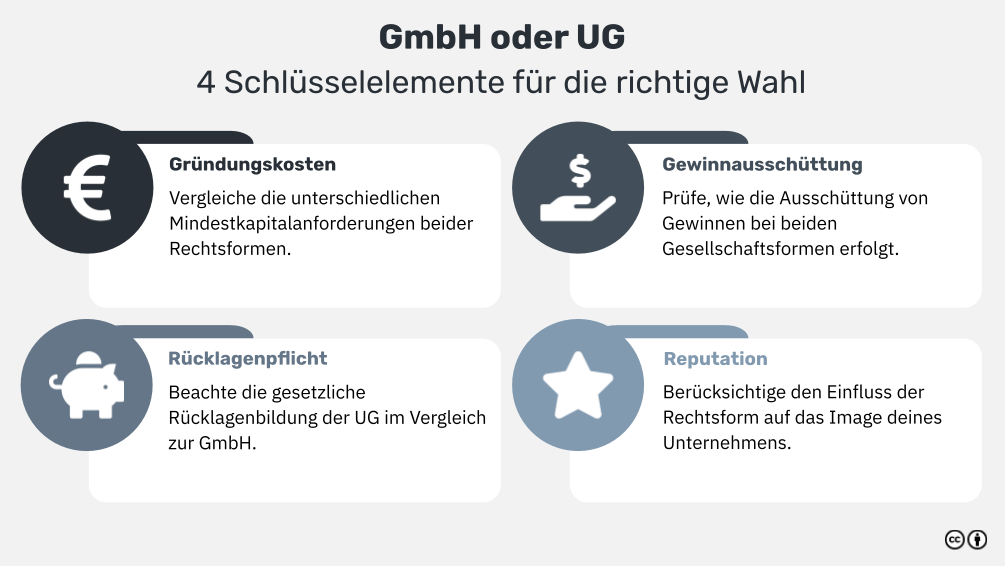
From a practitioner’s standpoint, the choice between a GmbH and a UG significantly impacts a business’s early trajectory. The UG, often called a “mini-GmbH,” appeals to founders with limited starting capital, requiring only €1. This low barrier expedites market entry for many startups. However, this advantage comes with a mandatory capital accumulation requirement. A quarter of its annual profit must be set aside until the €25,000 GmbH capital threshold is reached.
Conversely, forming a GmbH requires an initial share capital of €25,000, half of which must be paid upon registration. This higher capital requirement often instills greater confidence among business partners and lenders. In practice, the GmbH is perceived as more established and financially robust. Both legal forms offer limited liability, safeguarding the personal assets of shareholders from company debts. This protection is a cornerstone of German corporate law. Structuring shareholder agreements correctly from day one prevents many future disputes. These agreements define voting rights, profit distribution, and exit strategies, providing clarity among owners. Our work frequently involves tailoring these documents to specific business needs.
Key Differences and Strategic Choices for German Companies
The primary differentiation lies in the capital requirements and the perceived credibility each entity carries. A UG’s minimal capital, while accessible, can sometimes lead to skepticism from banks or large corporate clients. It often implies a smaller, newer venture. Many businesses begin as a UG, operating with agility. Once they achieve profitability and accumulate sufficient capital, they convert to a GmbH. This conversion is a strategic decision, signaling maturity and increased financial backing.
For businesses anticipating substantial investment or requiring significant bank loans from the outset, the GmbH is generally the preferred option. It projects a more solid financial foundation. The administrative processes for both are quite similar, involving notary publics and registration with the commercial register (Handelsregister). Choosing the right structure depends on a business’s specific goals, capital availability, and growth projections. It is a decision that impacts not only legal standing but also market perception and fundraising capabilities.
Compliance and Operational Frameworks in Gesellschaftsrecht GmbH UG
Maintaining compliance within Gesellschaftsrecht GmbH UG demands ongoing vigilance. Both legal forms are subject to stringent accounting, auditing, and disclosure requirements. These include annual financial statements, regular tax filings, and adherence to corporate governance principles. For UGs, the capital retention rule is a continuous compliance point; failing to allocate profits correctly can lead to legal issues. Directors of both GmbHs and UGs bear significant responsibilities. They must act diligently in the company’s best interest. Breaches of these duties can result in personal liability, even with the limited liability shield.
Effective corporate housekeeping is not merely an administrative task; it is a legal imperative. This involves properly documenting shareholder resolutions, changes in directorship, and any amendments to the articles of association. These records are vital for demonstrating adherence to German law. In my experience, neglecting these operational aspects often results in unnecessary legal complications or penalties. Understanding the ongoing obligations prevents future regulatory challenges, securing the business’s long-term viability.
Future Trends and Evolution in Gesellschaftsrecht GmbH UG
The landscape of Gesellschaftsrecht GmbH UG is not static; it continually adapts to economic shifts and technological advancements. One notable trend is the push towards digitalization in company formation processes. Germany has been progressively streamlining procedures, allowing for online company registrations in certain circumstances. This reduces bureaucracy and speeds up market entry. There is also an increasing focus on sustainability and corporate social responsibility (CSR) within corporate governance. While not always legally mandated for smaller entities, investor and consumer expectations are shifting.
Furthermore, changes in EU directives often influence German corporate law, aligning local regulations with broader European standards. This creates a dynamic environment for businesses operating across borders. Keeping abreast of these legal developments is crucial. For example, discussions about digital shares or new forms of financing could impact future company structures. Practitioners must stay informed to provide forward-looking advice, helping clients adapt and prosper in this evolving legal framework.