

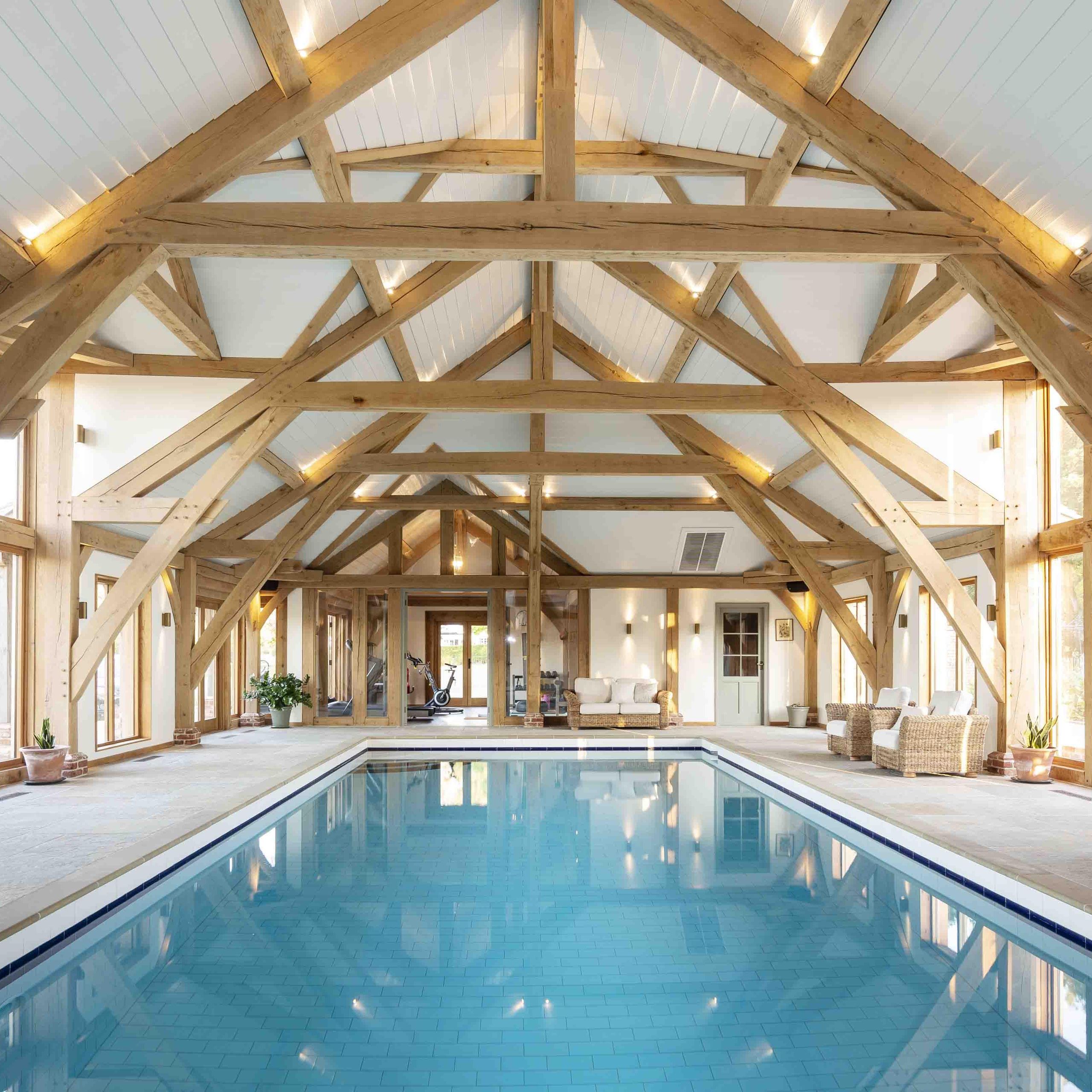
Mount Eliza homeowners often want a pool that suits a sloping block, a coastal climate, and a busy family routine. Aquarius Pools in Mornington Peninsula builds custom fibreglass and concrete pools for this kind of property. Therefore, this article explains what a local pool project involves, from design choices to approvals and upkeep.
Key Takeaways
- Aquarius Pools in Mornington Peninsula designs and builds pools for homes across the region, including Mount Eliza.
- Sloping blocks and sandy soils shape the choice of pool shell and excavation method.
- Councils and building surveyors must approve a pool before construction begins.
- Safety barriers are mandatory, and they must meet Victorian standards.
- Both fibreglass and concrete options suit coastal homes, whereas each has its own cost and timeline.
- Heating, covers, and efficient equipment keep running costs manageable year-round.
- The Aquarius Pools’ official website is the best place to check current designs, services, and contact details.
Why Mount Eliza Suits a Custom Pool
Mount Eliza sits on elevated land with views over Port Phillip Bay. Many homes have generous gardens and mature trees. In addition, the suburb attracts families who value outdoor living, so a pool often becomes the centre of the backyard.
However, the same landscape brings challenges. Slopes, retaining walls, and limited access can complicate a build. A local builder understands these conditions. As a result, the design can respond to the land rather than fight it.
Pool Types Offered for Peninsula Homes
Most local projects fall into two categories. Fibreglass pools arrive as a pre-moulded shell and install quickly. Concrete pools, on the other hand, are shaped on site and allow fully custom forms.
For example, a narrow side yard often suits a fibreglass lap pool. A wide, irregular garden may suit concrete, because the shape can follow existing features. Furthermore, both types accept spa sections, tanning ledges, and built-in steps. Accordingly, the right choice depends on the block, the budget, and the look the owner wants.
Working With Sloping Blocks and Coastal Soils
Slopes require careful planning. Engineers usually assess the ground before design starts. Specifically, they check soil type, drainage, and the need for retaining walls. Sandy or clay soils each behave differently under a pool shell.
Moreover, groundwater can push on an empty pool. Builders manage this risk with drainage and sound structural design. Consequently, early site checks save time and prevent costly changes later. Homeowners should expect a site visit before any final quote.
Council Permits and Building Approvals
Every new pool in Victoria needs a building permit. Mornington Peninsula Shire handles planning matters, and a registered building surveyor reviews the construction plans. In fact, some Mount Eliza properties also sit under overlays that affect vegetation or setbacks.
Therefore, applicants should check their property’s planning conditions early. A pool builder typically prepares the drawings and lodges the paperwork. Nevertheless, owners remain responsible for confirming that the permit matches their plans. Approval times vary, so a realistic schedule matters.
Safety Barriers and Compliance Rules
Victorian law requires a compliant barrier around every pool and spa. The fence must meet minimum height rules, and gates must self-close and self-latch. Indeed, inspectors check these details before the pool can be filled.
Additionally, owners must register their pool with the local council. They must also keep the barrier in good condition afterwards. For instance, a gate that no longer latches properly breaks the rules. Regular checks protect children and prevent fines.
Typical Stages of a Pool Build
A pool project follows a clear sequence. First, the builder completes the design and secures permits. Subsequently, crews excavate the site and prepare the base. Plumbing and electrical work follow.
Next, the shell is installed or built, depending on the pool type. Crews then add the surrounds, fencing, and equipment. Finally, the pool is filled and tested. In other words, the process takes careful coordination, but it follows predictable steps.
Heating, Covers, and Running Costs
Bay breezes can cool a pool quickly. Heat pumps and solar systems extend the swimming season. Moreover, a good pool cover reduces evaporation and heat loss overnight.
Efficient pumps also lower power bills. Variable-speed models, for example, use far less energy than older single-speed units. Not only do they cost less to run, but they also run more quietly. Homeowners should compare these options during the design stage.
Landscaping and Outdoor Living Around the Pool
A pool looks best when the surrounding space works well. Decking, paving, and planting all affect comfort and safety. Slip-resistant surfaces matter near the water, whereas shade structures protect swimmers from strong summer sun.
In addition, lighting extends evening use. Native and salt-tolerant plants cope well with coastal conditions. Therefore, many owners plan the landscaping alongside the pool rather than afterwards. This approach keeps the budget and timeline clearer.
How to Contact and Plan With the Builder
Planning starts with a conversation. Owners can share their block details, budget, and wish list. The builder then proposes layouts and explains the likely steps.
The Aquarius Pools’ official website lists current services, pool styles, and contact options. Furthermore, a site visit allows the team to give accurate advice. Owners who prepare questions in advance usually get the most from that first meeting.
 lexutor